
 Comune di Colli Verdi

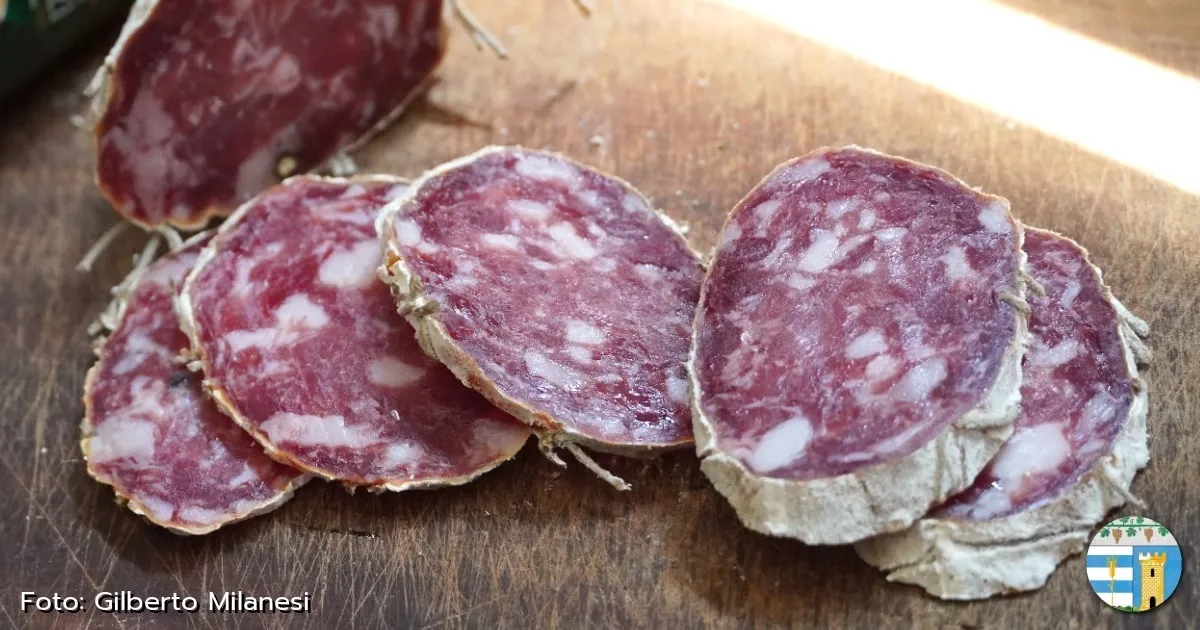
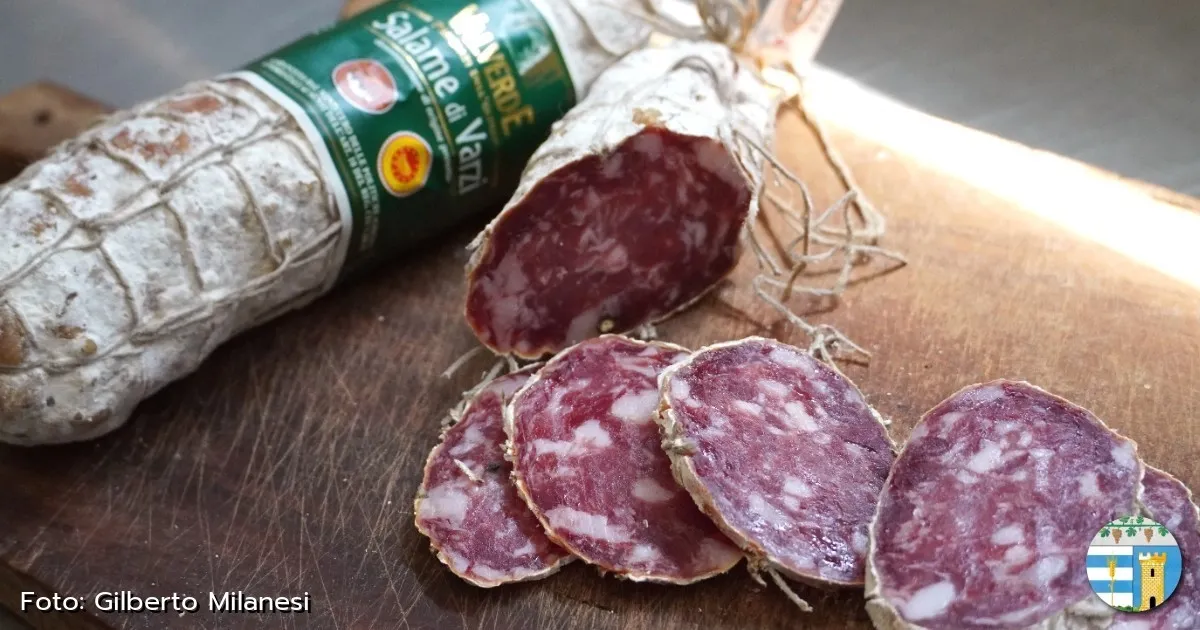
La cucina francese presenta ascendenze nobiliari, mentre quella italiana discende principalmente dalla mensa quotidiana dei poveri. Ma questa sua caratteristica, anziché un limite, costituisce forse un pregio in quanto il popolo si è da sempre nutrito con quei pochi cibi di cui avesse disponibilità, imparando nel corso del tempo a cucinarli con perizia: ecco pertanto giustificata l’eccellenza dei nostri lessi, dei brasati, degli stufati e dei “salmì”. I bovini sono infatti animali domestici allevati nei nostri territori da tempi immemorabili, assai più diffusamente di capre e pecore; anche la lepre è un animale piuttosto comune e più ancora lo è stata in passato, soprattutto in considerazione della pratica della caccia che specie in passato era alquanto diffusa tra la popolazione locale. Il maiale invece merita un discorso a parte: principale, e talora unica, ricchezza contadina, la sua carne doveva nutrire la famiglia per un intero anno, e per un anno veniva allevato con cura. Le tipologie del ricavato della macellazione: salame, “gambôn”, pancetta, coppa, lardo, tuttavia sono legate alle usanze locali; manca infatti nel precedente elenco il prosciutto più strettamente legato alla cultura emiliana. Da quella Regione deriva anche la tradizione di preparare il “salàm da còta”, ovvero i cotechini. Ma il vero primattore è rappresentato dal salame crudo, detto “di Varzi”, la cui composizione, con pezzatura della carne molto grande, è tipica ed esclusiva della nostra zona montana.
Quasi tutti i piatti tipici della nostra cucina presentano una antica tradizione: i ravioli, ad esempio, spesso considerati piemontesi o emiliani, sono in realtà di origine genovese; abbastanza significativamente nella Frazione Valverde essi sono chiamati “raviö”, mentre nel resto dell’Oltrepò sono detti “anlòtt” e nel piacentino “anvèin”. Anche i cosiddetti “tortelli con la coda”, ravioli di magro avvolti nella pasta a guisa di caramella, provengono dalla cultura emiliana. Ben nota in tutta la Lombardia è inoltre il “ragò” o “cassöla”, piatto povero cucinato con verze e parti poco pregiate di maiale. Anche i formaggi occupano una parte significativa nella nostra cucina; tuttavia se la produzione di formaggio nel passato, vista la relativa abbondanza di latte, deve pur essere stata abbondante, essa non ha condotto alla creazione di un formaggio tipico tramandato sin ad oggi, tranne forse le ricotte. Vi è tuttavia un formaggio diffuso ovunque in Oltrepò e nel Piacentino, e ricordato soprattutto come specialità di Menconico: il “Nìis” (ossia maturo). In effetti nessun formaggio può dirsi più maturo di questo, neppure il Gongorzola o il Chili del Messico possono competere in quanto a sapore piccante con il nostro prodotto.
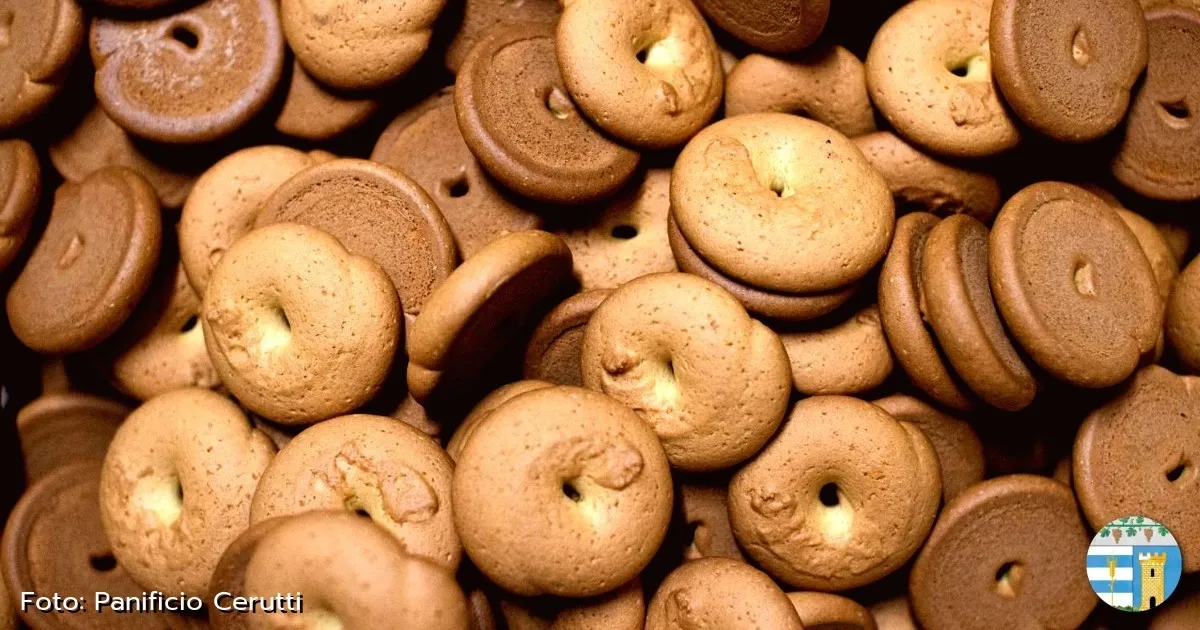
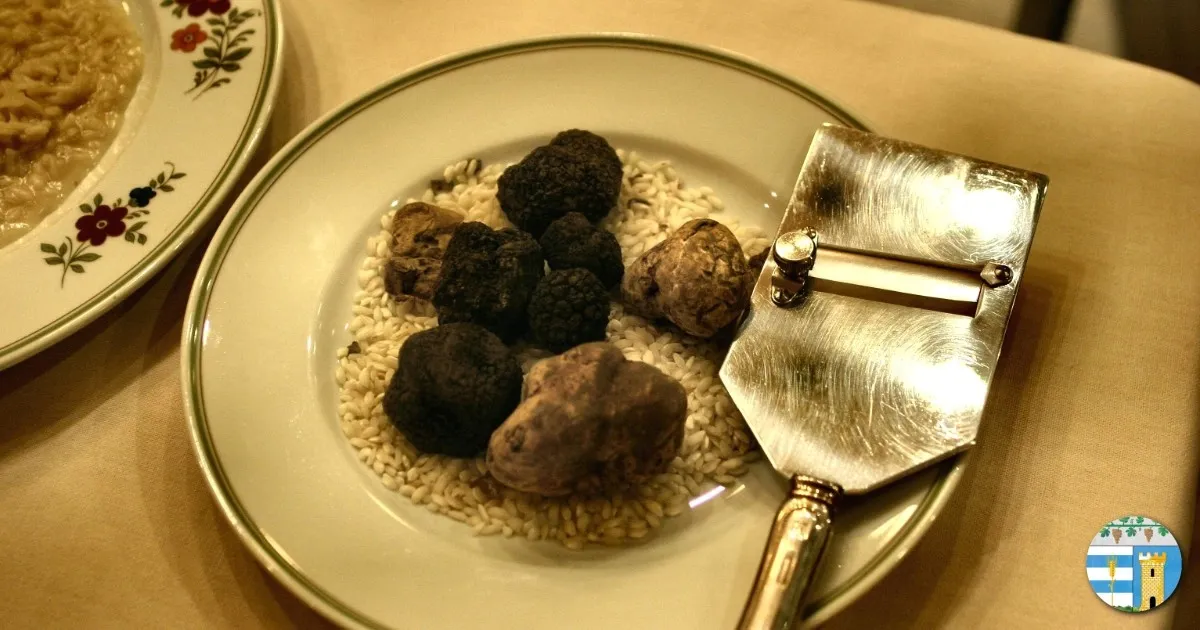
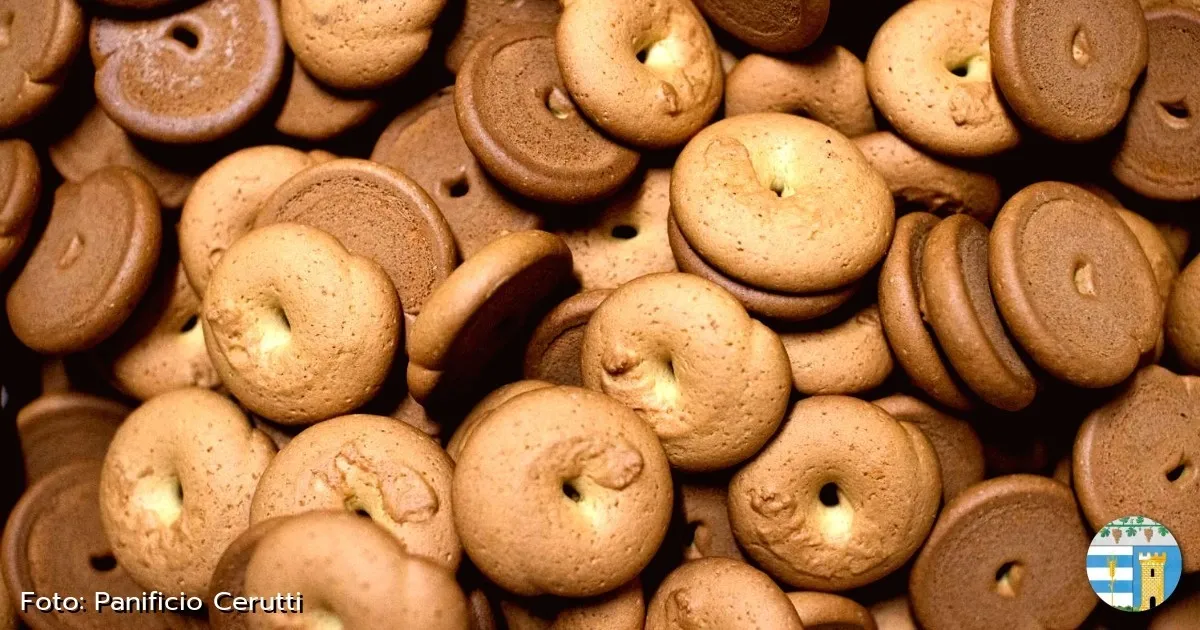
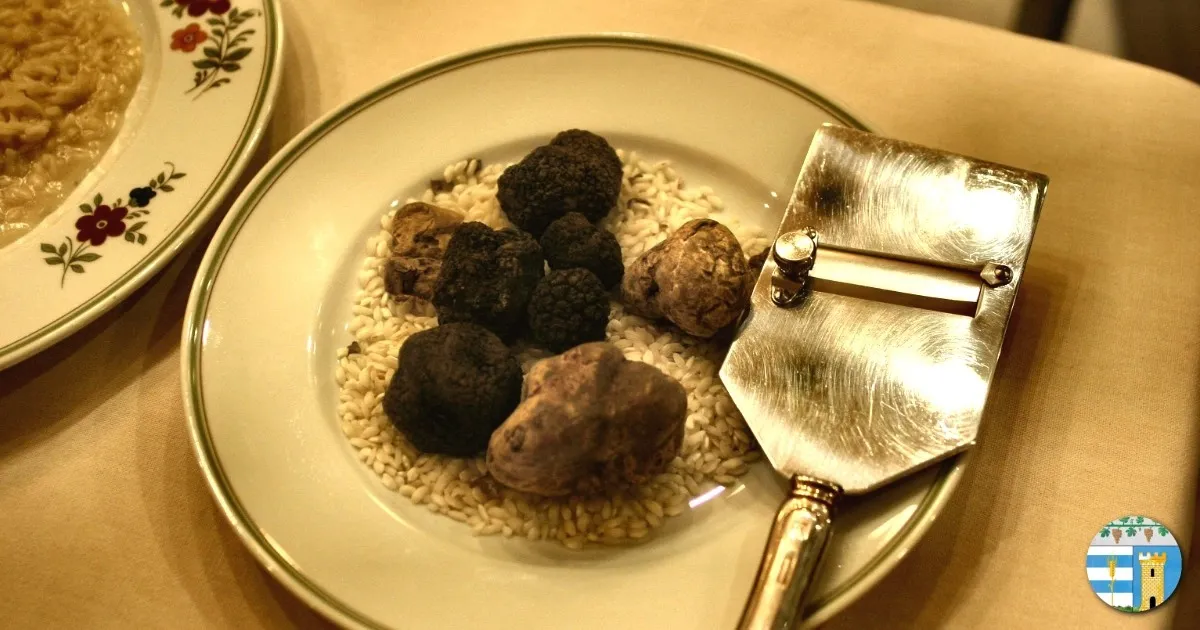
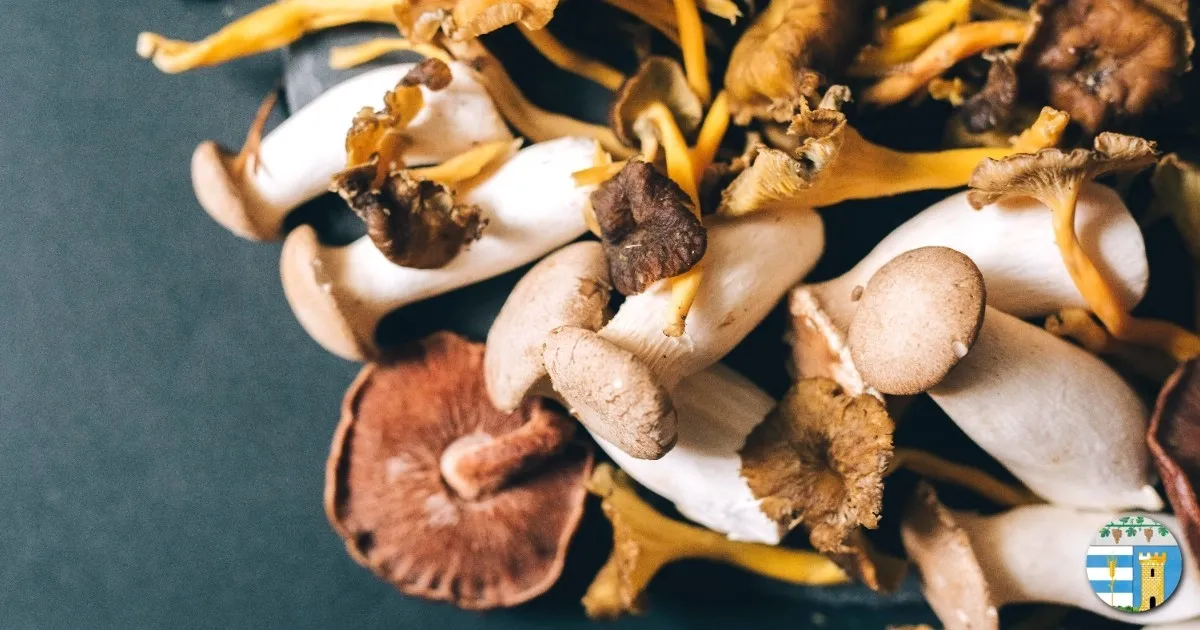
Infine, per quanto riguarda le “paste” ottenute dalla farina di frumento, ricordiamo le ben note tagliatelle all’emiliana, le sfoglie per gli agnolotti, la pavese “schìta” (in piacentino “burtlèina”), ed il pane comune qui impastato con una forma denominata “mica”; “farsö” sono invece le tipiche tonde frittelle cucinate durante la ricorrenza del Carnevale. E’ quasi superfluo ricordare la prelibatezza di funghi e tartufi quali aromatici complementi di questa cucina, dobbiamo tuttavia supporre un loro utilizzo non molto antico, in quanto un tempo i tartufi, “cibo da Re”, costituivano una ricercatezza riservata a ricchi e potenti, oggi per fortuna sono anche alla nostra portata, almeno negli anni di abbondante fruttificazione! Di tutto rilievo e decisamente di qualità superiore è la frutta che si coltiva e raccoglie: prime tra tutte le mele e pere, con particolare riguardo alle mele “Rostaiola” e “Renetta”, che nulla hanno da invidiare per gusto, sapore, profumo e caratteristiche organolettiche ad analoghe qualità provenienti da zone più conosciute.