

 Comune di Colli Verdi

SAN COLOMBANO – ABATE D’EUROPA
Il miracolo di Canevino
San Colombano – Irlandese di nascita (Leinster 543 d.c.) – fu in epoca medievale un personaggio molto importante e certamente un innovatore del pensiero ecclesiastico, tanto che, ad oltre 1400 anni dalla morte (Bobbio 615 d.c.), viene ricordato come uno dei padri fondatori della Chiesa Moderna. Sostenne ad esempio che la confessione dovesse essere un atto privato fra il pentito e Dio (fino a quel momento la confessione era pubblica ed era spesso accompagnata da pubbliche espiazioni corporali), e che l’istruzione dava agli uomini la “vera Libertà”. Giunse a Bobbio in tarda età, dopo aver percorso l’Europa (Francia – Germania – Svizzera - Belgio ed infine Italia) ed aver fondato numerosi monasteri ( fra i quali spiccano Luxeuil-Les-Bains ed Annegray), chiamato dalla cattolicissima Regina Teodolinda che gli donò Bobbio – ove fondò la sua ultima abbazia - con molte terre annesse (fra cui l’attuale territorio di Colli Verdi “Curtis” Colombaniana). Sugli insegnamenti di San Colombano l’Abbazia di Bobbio fu nel Medio Evo il più importante centro culturale d’Europa ed ha ispirato Umberto Eco per la descrizione dello scriptorium nell'abbazia de "Il nome della rosa".
Il Miracolo
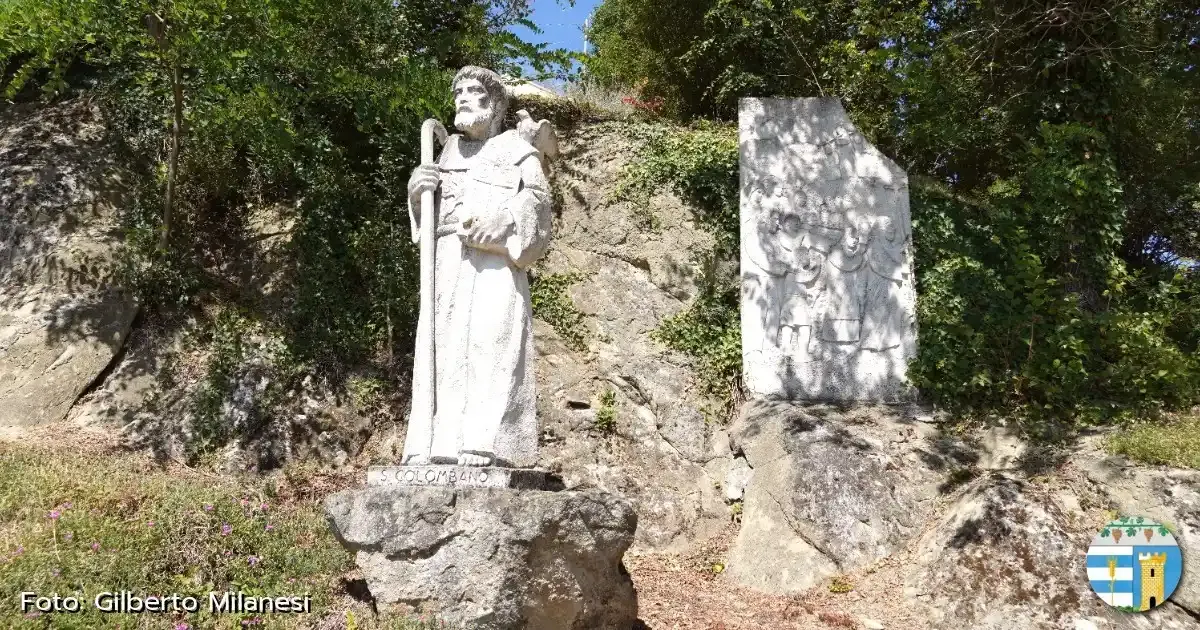
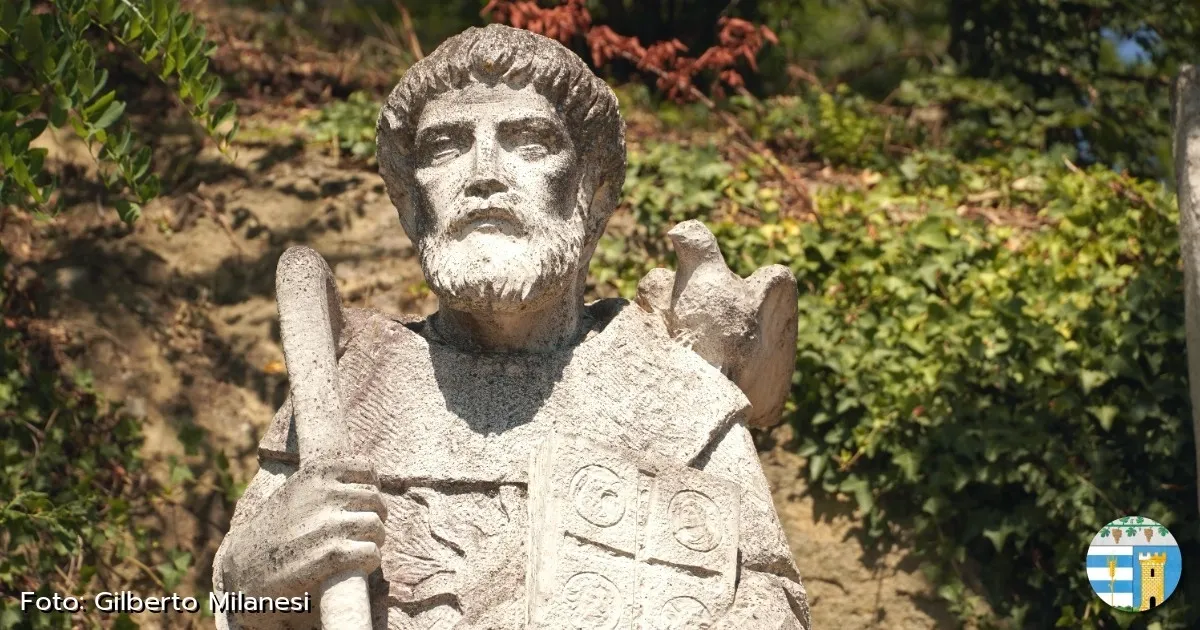
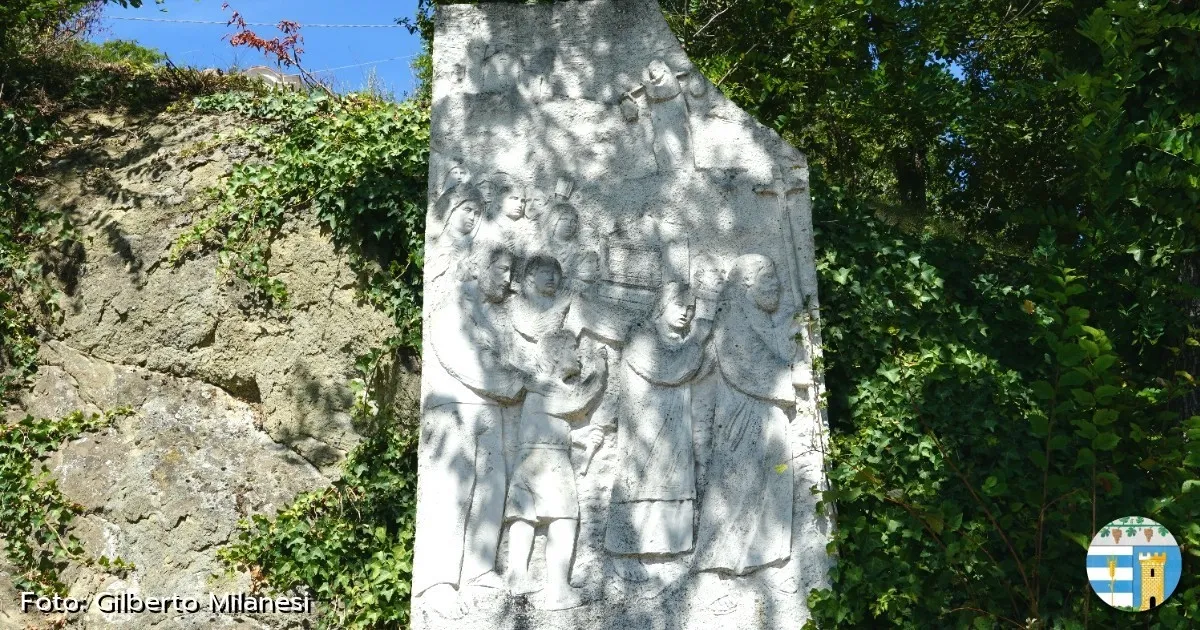
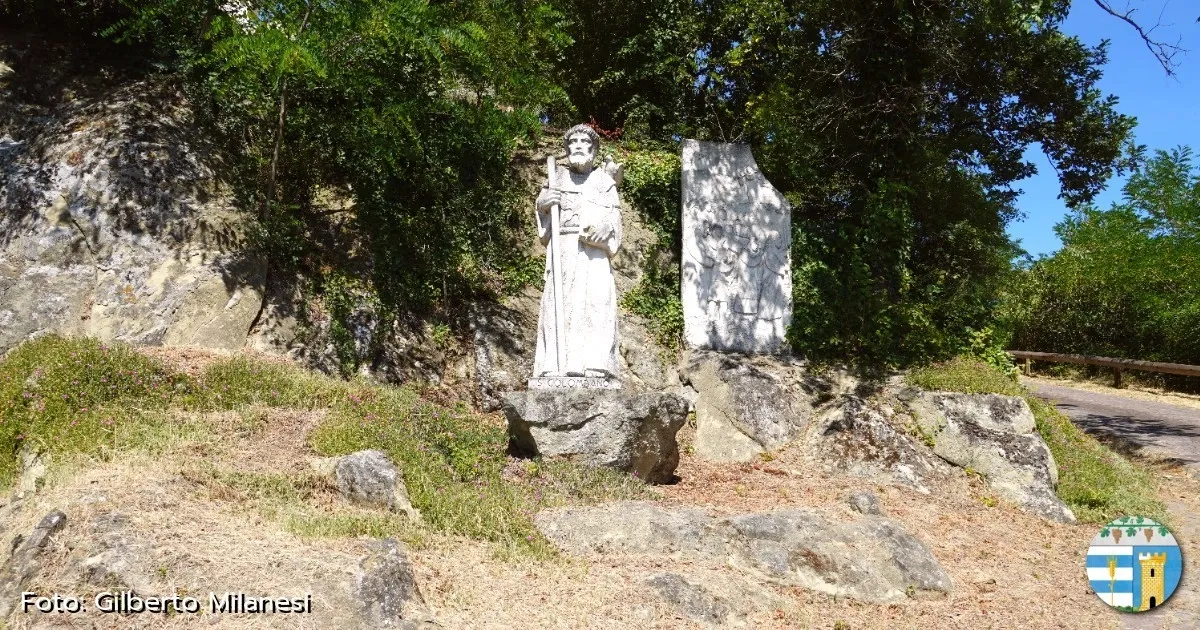
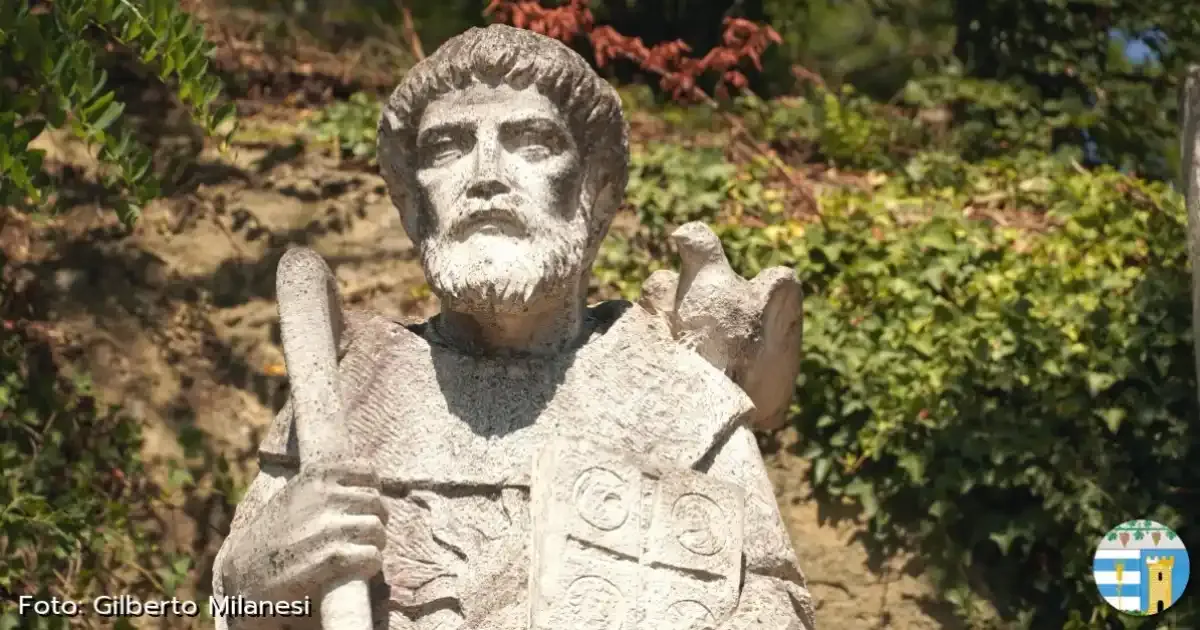
A distanza di 300 anni dalla morte, per volere di Re Ugo di Provenza, le spoglie di San Colombano vennero trasportate a Pavia nella Basilica di San Michele, al fine di indurre certi signori là convocati a restituire al Monastero le non poche terre sottratte. Il viaggio delle spoglie di San Colombano venne trascritto da un Monaco che aveva fatto parte del corteo, e sulle antiche pergamene si legge che giunti a Canevino - oggi frazione di Colli Verdi - un bambino muto dalla nascita acquistò la parola, e che, in segno di festa e di riconoscenza ai Monaci venne offerto del vino. Sul luogo del Miracolo 0ggi è presente una Statua raffigurante San Colombano ed un bassorilievo recante l’evento miracoloso (opera del Maestro piacentino Paolo Perotti). La testimonianza del Monaco certifica inoltre la presenza della vite e la produzione di vino nell’alta Valle Versa prima dell’anno mille.
Le spoglie di San Colombano sono tuttora conservate nella Cripta dell’Abbazia di San Colombano di Bobbio da dove, dopo il viaggio a Pavia, non sono più state rimosse.
A FUTURA MEMORIA: le terre sottratte al Monastero di Bobbio, dopo l’ordalìa svoltasi nella Basilica di San Michele vennero restituite al legittimo proprietario.