

 Comune di Colli Verdi


CASTELLO DI VERDE
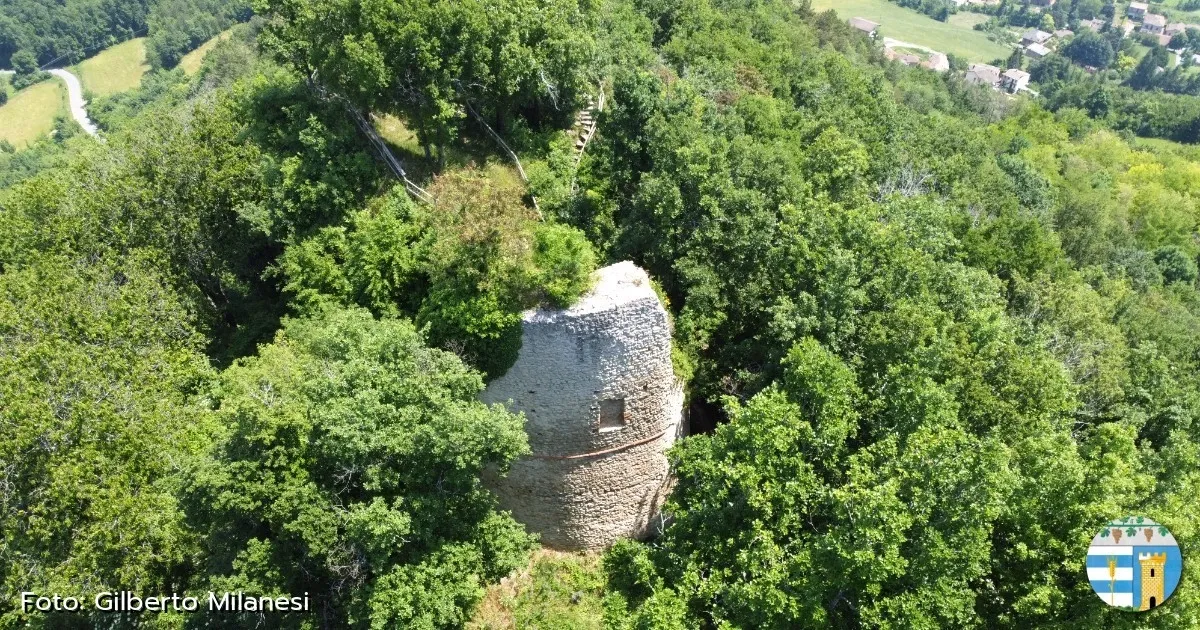
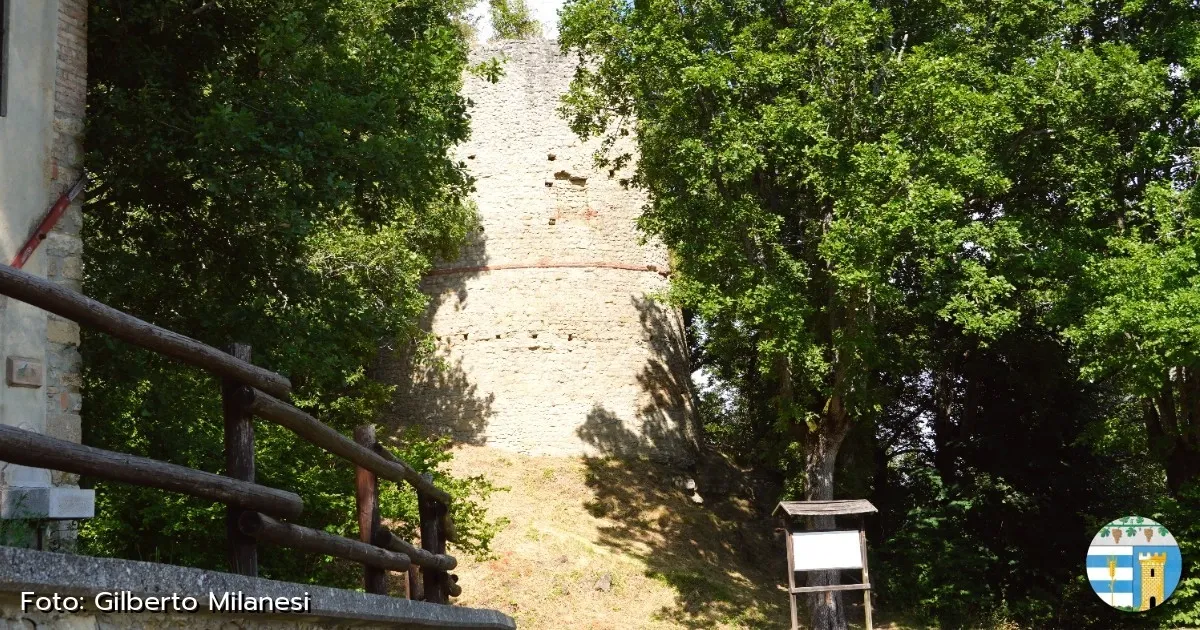
Il castello, tuttora denominato "Castello di Verde", sorge sulla cima di un cucuzzolo in posizione suggestiva e panoramica, permettendo di spaziare dalle dolci ondulazioni dei rilievi pavesi fino alla Pianura Padana. Risalente all'XI secolo, fu inizialmente proprietà del monastero di Bobbio, quindi del Vescovo di Bobbio, poi del Comune di Piacenza, in seguito del Barbarossa, dei Landi, dei Malaspina, dei Dal Verme e poi nuovamente dei Malaspina.
Nel Medioevo il castello fu sede e rifugio del partito guelfo.
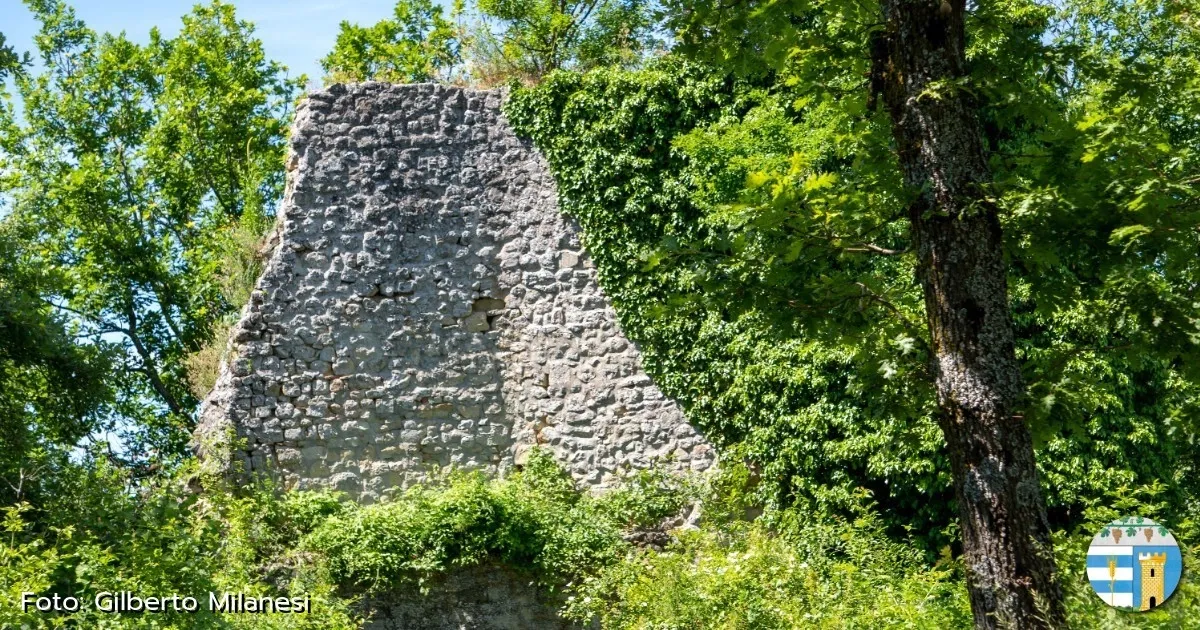
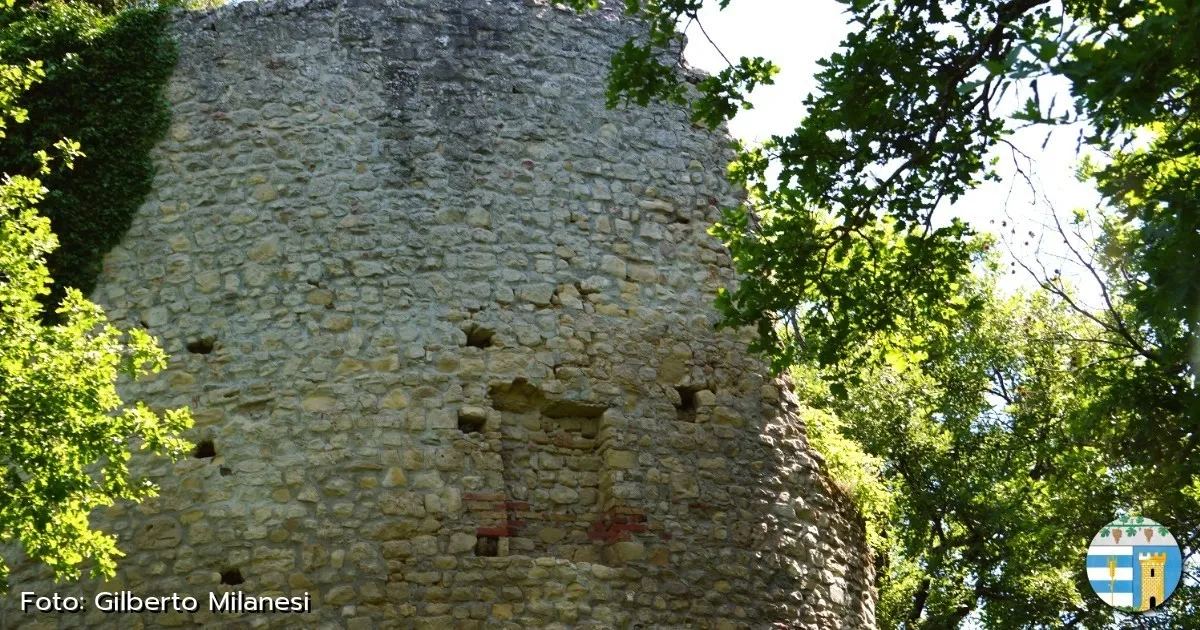
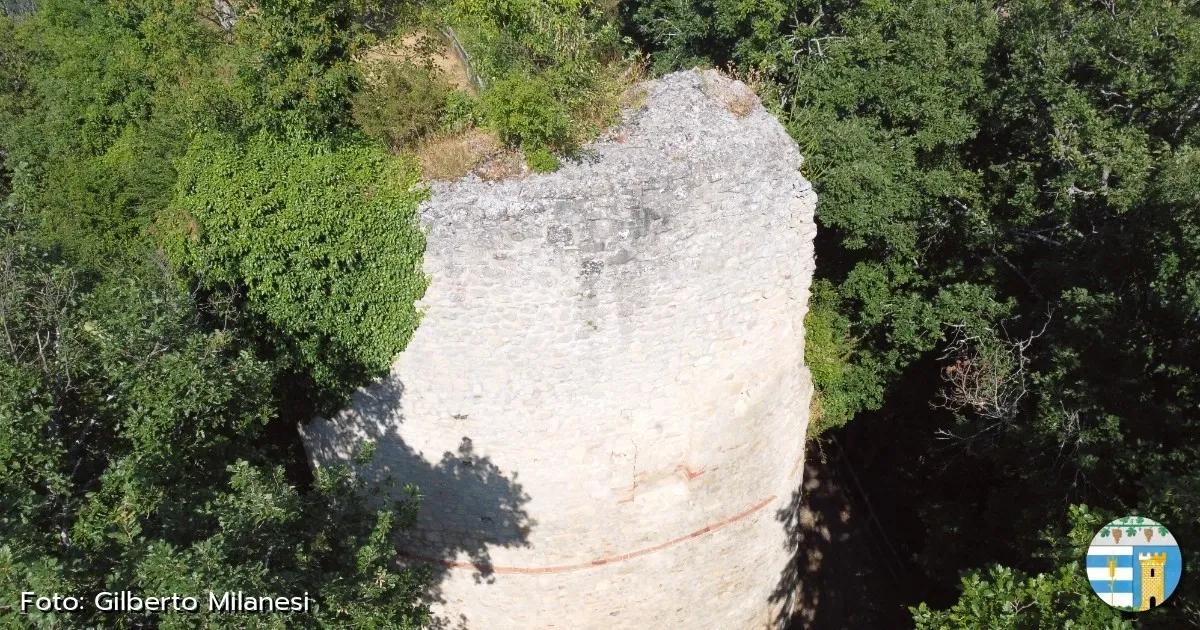
Del castello originario rimangono il basamento della torre, in pietra arenaria, ed una stanza forse utilizzata come deposito di viveri in occasione degli assedi. Il particolare torrione rotondo, tipico dell'architettura fortilizia degli Sforza, fa ritenere che almeno questa parte del castello sia di epoca malaspiniana, il nucleo originario risulta invece più antico.
I BOSCHI DEL CASTELLO DI VERDE
Il bosco intorno al Castello di Verde è da ricondursi alla tipologia forestale dei Querco-ostryeti tipici delle zone collinari dell'Oltrepò Pavese la cui attuale composizione specifica è legata principalmente alle condizioni orografiche e al tipo di trattamento cui sono state sottoposte. Le specie dominanti sono la Rovere (spesso ibridata con la Roverella tanto da essere difficilmente distinguibili ) ed il Carpino nero, ma è relativamente abbondante anche il Prunus avium. In qualità di specie accessorie compaiono anche l'Acero campestre, il Maggiociondolo, il Nocciolo e soprattutto l'Orniello che va a costituire il piano dominante.
La componente arbustiva risulta diffusa e relativamente abbondante ed è costituita dal Corniolo (Cornus mas), Berretta da prete (Euonymus europaeus), Biancospino (Crataegus monogyna), nelle aree più periferiche fanno la loro comparsa il Ginepro (Juniperus communis) e la Coronilla (Coronilla emerus).
La parte esposta a Nord risulta più fresca ed in parte a morfologia subpianeggiante. Le condizioni stazionali risultano nel complesso più favorevoli allo sviluppo della componente forestale mesofila. Il popolamento arboreo è caratterizzato dalla presenza di imponenti soggetti di Prunus avium insieme alla Rovere, in qualità di specie accompagnatrici compaiono l'Orniello, l'Acero campestre, il Maggiociondolo, e tra gli arbusti sono frequenti il Nocciolo, il Biancospino, il Corniolo ed il Viburno.
La parte con esposizione Sud-Est presenta invece condizioni microclimatiche più marcatamente periferiche, le pendenze sono decisamente più elevate (40- 70%) ed il suolo molto più superficiale.
Tali condizioni stazionali si ripercuotono in particolare sull'accrescimento della componente arborea e sulla composizione specifica del popolamento.
Tra le specie presenti si riduce drasticamente la presenza del Ciliegio, mentre nel piano arbustivo compaiono il Ginepro e la Coronilla.
LA FAUNA
L'abbandono che in epoca recente ha caratterizzato il territorio montano ha favorito la riconquista da parte della fauna selvatica di quegli spazi che le erano stati sottratti. In prossimità delle macchie boscate è facile osservare le ghiandaie e le gazze; nei pressi delle cascine le tortore, le cinciallegre, i pettirossi e lo scricciolo. In primavera non è difficile osservare il frenetico volteggiare della ballerina bianca ma anche il più minaccioso volo del falco, dello sparviere e della poiana. A notte fonda si possono ascoltare i richiami della civetta, dei barbagianni, dei gufi e degli allocchi.
Diversi mammiferi piccoli e grandi popolano i campi e i boschi; non è sempre facile scorgerli anche se si possono leggere sul terreno le loro tracce. Pigne rosicchiate sono il segnale inequivocabile della presenza dello scoiattolo, mentre piccole impronte di buffe manine sul terreno indicano il passaggio del riccio. Anche tassi, cinghiali, volpi, caprioli e daini arricchiscono il territorio con la loro presenza.