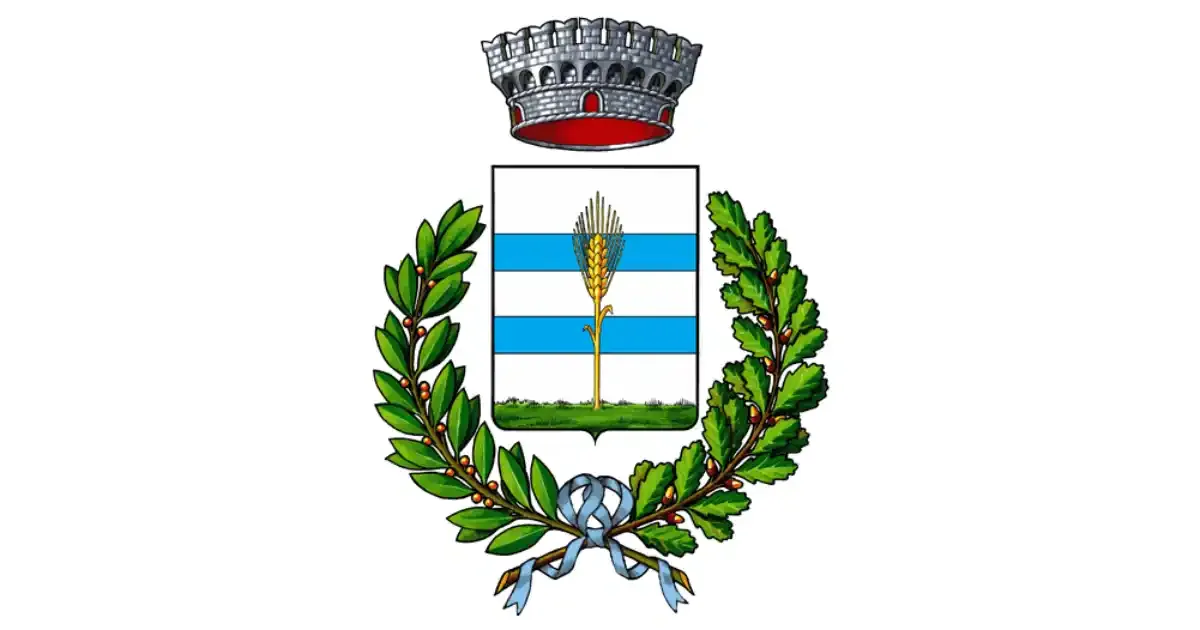

 Comune di Colli Verdi

Il toponimo si trova citato per la prima volta nel documento del 929, sulla storia di San Colombano, dove si dice che quando le reliquie di S. Colombano, da Bobbio furono portate in pellegrinaggio a Pavia da re Ugo, il corteo, che attraversò tutte le proprietà del monastero di San Colombano di Bobbio, passò anche da Canevino, allora proprietà del monastero (Goggi 1973). Come Mons Canavini viene citato nell'elenco delle terre del contado di Pavia del 1250 come appartenente all'Oltrepò (Soriga 1913). Costituiva unico feudo con Cigognola e nel sec. XVI si contavano 120 anime. Nel sec. XVII le anime erano 116. Come Canavino compare nell'elenco delle dichiarazioni del focatico del Principato di Pavia per l'anno 1537 come appartenente alla Congregazione rurale dell'Oltrepò e Siccomario (Focatico Oltrepò e Siccomario, 1537). Canevino nel 1634 è inserito come appartenente all'Oltrepò, nell'elenco delle terre del principato di Pavia censite per fini fiscali da Ambrogio Opizzone (Opizzone 1634).
Con il trattato di Worms del 1743 Canevino passò sotto il dominio di casa Savoia. La comunità di Canevino è compresa nell'elenco delle terre e luoghi che hanno mandato un proprio rappresentante in Voghera alla riunione generale per l'elezione della congregazione dei possessori dei beni rurali nella parte del principato di Pavia detta Oltrepò nell'anno 1744 (Convocato Oltrepò, 1744). Con manifesto camerale del 9 novembre 1770 vengono stabiliti gli uffici di insinuazione, Canevino viene inserito nella tappa di Broni (tappa insinuazione 1770). Il 6 giugno 1775 viene approvato il regolamento per "le Amministrazioni de pubblici" (Amministrazioni de pubblici 1775); pur non avendo reperita specifica documentazione relativa all'ordinamento comunale, si può ipotizzare che Canevino fosse amministrato da un sindaco e quattro consiglieri componenti il consiglio ordinario. Nella compartimentazione del 15 settembre 1775 Canevino si trova inserito nel distretto di Voghera (editto 15 settembre 1775) nel manifesto senatorio del 29 agosto 1789 che stabilisce il riparto in tre cantoni della provincia di Voghera, Canevino, viene inserito nel terzo cantone di Broni (riparto 1789). Il prefetto del dipartimento di Marengo, in base alla legge del 28 piovoso anno VIII (febbraio 1800), nomina i maires e gli aggiunti della municipalità di Canevino con decreto del 23 fruttidoro anno IX (settembre 1801). Canevino viene inserito nel dipartimento di Marengo e nel circondario di Voghera (decreto Campana 1801). Il primo pratile anno X (maggio 1802) il prefetto del dipartimento di Marengo decreta la nomina dei consiglieri municipali in numero di 10 i quali dovranno restare in carica per tre anni (decreto Campana 1802).
Nel 1805 in funzione del rimaneggiamento dell'amministrazione ligure - piemontese voluta da Napoleone Bonaparte, Canevino con decreto del 13 giugno 1805 viene aggregata al dipartimento di Genova circondario di Voghera (decreto 1805, ASC Casei Gerola). L'amministrazione provvisoria della città e provincia di Voghera (manifesto 27 aprile 1814) ripristinava nei comuni l'antico regime con l'ordine di osservanza del regolamento amministrativo del 1775. In base al regio editto del 27 ottobre 1815 per il nuovo stabilimento delle province dipendenti dal senato di Piemonte e della loro distribuzione in mandamenti di giudicature e cantoni per le assise, Canevino veniva definitivamente inserito nel mandamento di Soriasco appartenente al secondo cantone della provincia di Voghera (regio editto 1815, ASCVo), sede di intendenza e prefettura e appartenente alla divisione di Alessandria. Dipendeva dal senato di Torino e l'ufficio dell'insinuazione e postale aveva sede in Broni. Per mezzo del regio editto del 10 novembre 1818 "portante una nuova circoscrizione generale delle provincie de' regi stati di terra ferma" la comunità di Canevino viene inserita nell'undicesimo mandamento di Soriasco, provincia di Voghera, divisione di Alessandria (ASC Casei Gerola). La popolazione di Canevino contava 346 abitanti (Casalis 1836). Vengono aggregate a Canevino le frazioni di: Caseo, Colombara, Costa, Morgone, Mollie e Pianaversa. Nel 1859 Canevino con una popolazione di 351 abitanti entra a far parte della provincia di Pavia, e viene inserito nel VIII mandamento di Soriasco del circondario di Voghera (decreto 1859). In seguito all'unione temporanea delle province lombarde al regno di Sardegna, in base al compartimento territoriale stabilito con la legge 23 ottobre 1859, il comune di Canevino con 351 abitanti, retto da un consiglio di quindici membri e da una giunta di due membri, fu incluso nel mandamento VIII di Soriasco, circondario IV di Voghera, provincia di Pavia.
Alla costituzione nel 1861 del Regno d'Italia, il comune aveva una popolazione residente di 333 abitanti (Censimento 1861). In base alla legge sull'ordinamento comunale del 1865 il comune veniva amministrato da un sindaco, da una giunta e da un consiglio. Nel 1867 il comune risultava incluso nello stesso mandamento, circondario e provincia (Circoscrizione amministrativa 1867). Popolazione residente nel comune: abitanti 319 (Censimento 1871); abitanti 329 (Censimento 1881); abitanti 361 (Censimento 1901); abitanti 367 (Censimento 1911); abitanti 431 (Censimento 1921). Nel 1924 il comune risultava incluso nel circondario di Voghera della provincia di Pavia. In seguito alla riforma dell'ordinamento comunale disposta nel 1926 il comune veniva amministrato da un podestà. Popolazione residente nel comune: abitanti 444 (Censimento 1931); abitanti 411 (Censimento 1936). Nel 1936 il comune di Canevino venne aggregato al nuovo comune di Pometo. Nel 1947 venne ricostituito il comune autonomo di Canevino disaggregandone il territorio dal comune di Pometo (D.L.C.p.S. 19 ottobre 1947, n. 1269). In base alla legge sull'ordinamento comunale vigente il comune veniva amministrato da un sindaco, da una giunta e da un consiglio. Popolazione residente nel comune: abitanti 332 (Censimento 1951); abitanti 264 (Censimento 1961); abitanti 172 (Censimento 1971). Nel 1971 il comune di Canevino aveva una superficie di ettari 474.
Bibliografia Valeria Bevilacqua (Cooperativa Arché - Pavia), Lombardia Beni Culturali Caterina Antonioni, Lombardia Beni Culturali
Canevino
Virtual Tour disponibile
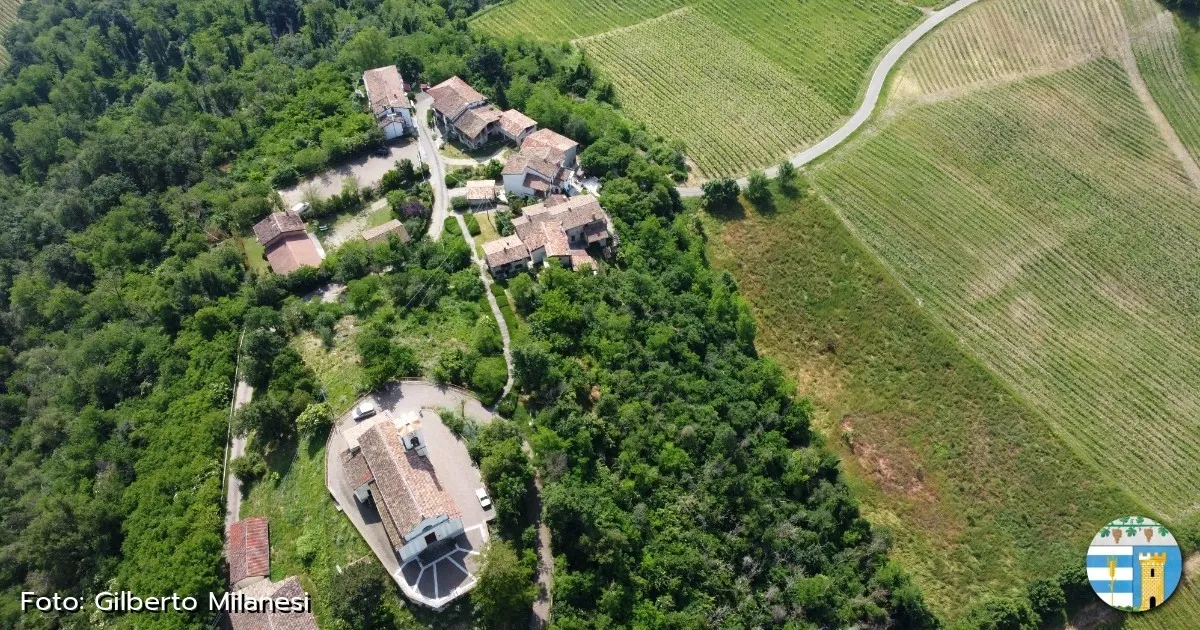
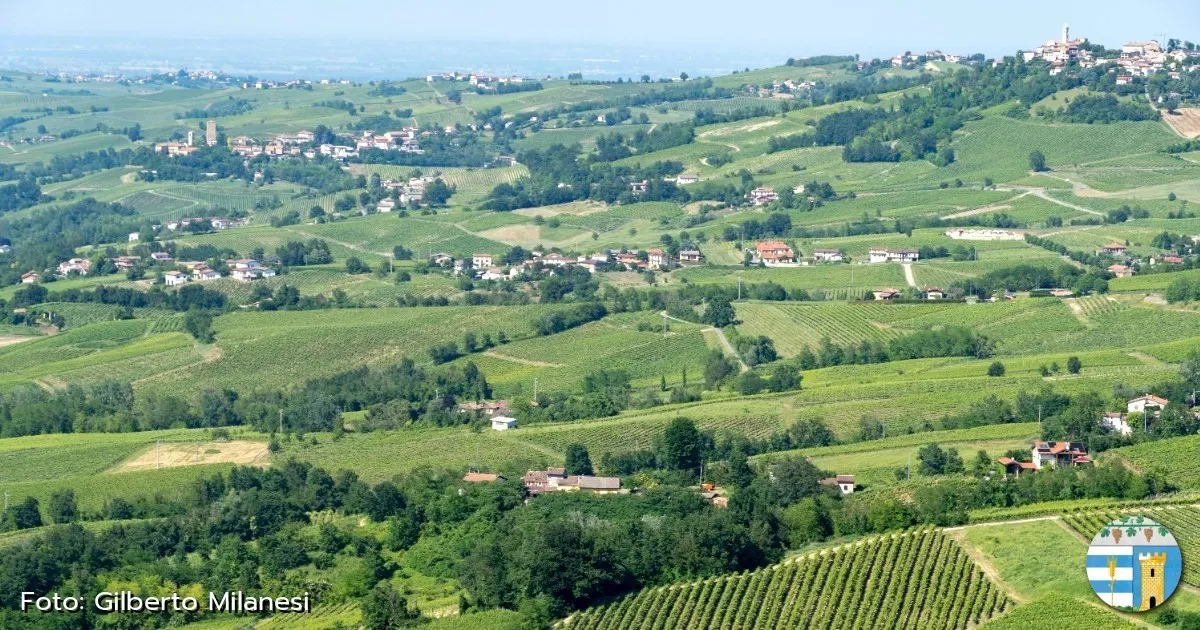
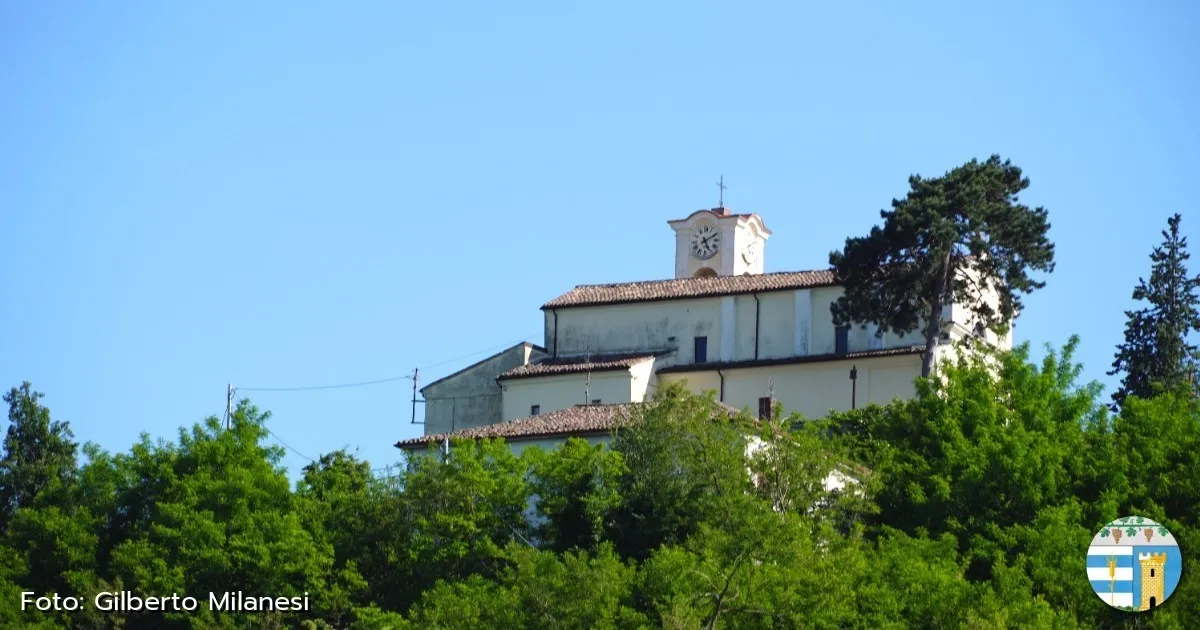
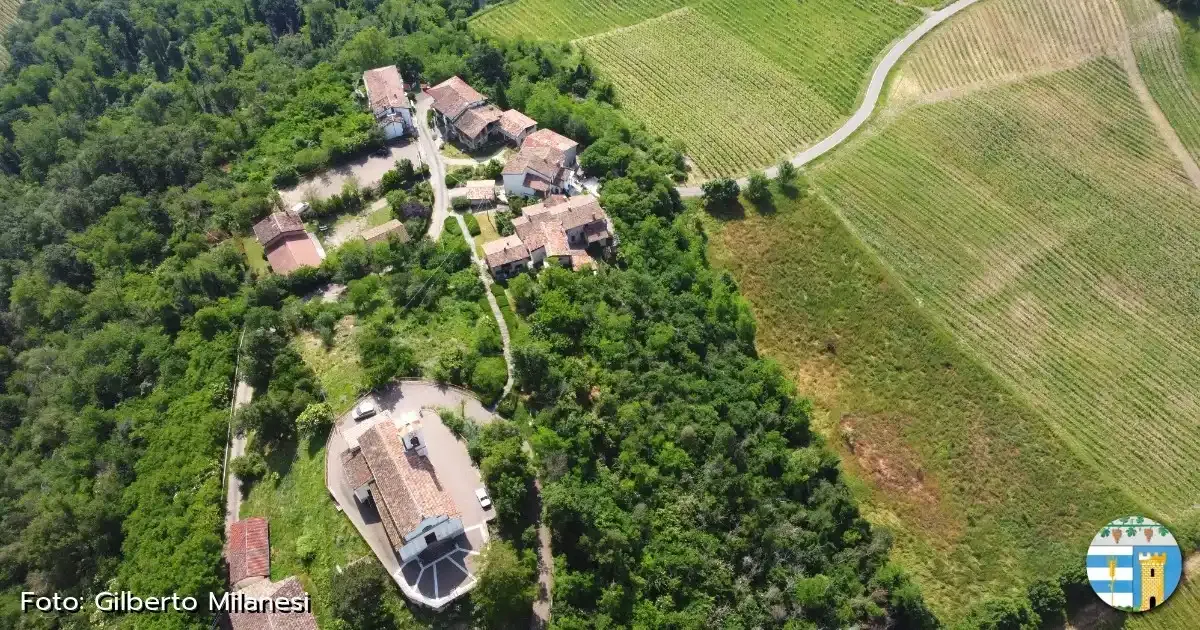
La storia della frazione di Canevino, uno dei tre principali centri che hanno dato vita al Comune di Colli Verdi
Virtual Tour disponibile